

COGNIT Validation Use Cases:
Driving Impact Across Strategic Sectors
The COGNIT project validates its cognitive serverless framework across four high-impact real-world scenarios. Each use case demonstrates how the AI-enabled orchestration and cloud-edge continuum capabilities developed through COGNIT support sovereign, resilient, efficient, and secure digital services for European stakeholders, while addressing critical societal and infrastructural challenges.


Smart Cities: Intelligent Urban Infrastructure
In the Smart Cities use case, developed by ACISA from Spain, COGNIT applies its serverless cloud-edge continuum framework to latency-sensitive and mission-critical urban services. This includes scenarios such as public transport management, emergency response coordination, and real-time mobility optimisation. By dynamically placing functions closer to users or critical sensors (leveraging edge nodes and cloud resources) the framework reduces response times, enhances service reliability, and supports smarter city operations. This use case also underscores how cognitive orchestration can promote energy efficiency and reduce overall service costs within densely interconnected urban environments.
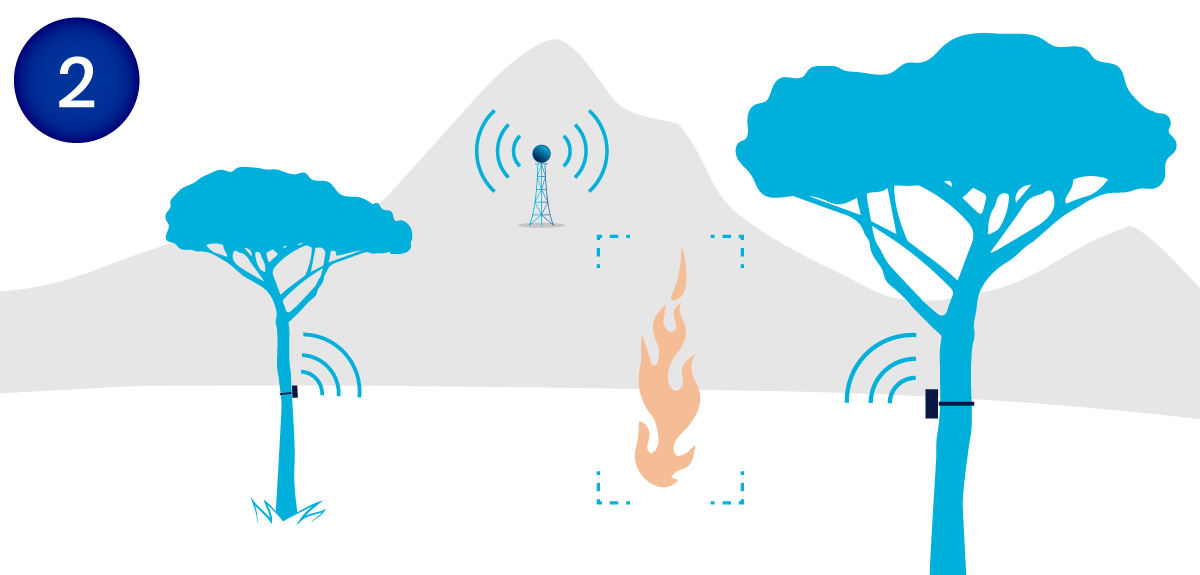

Wildfire Detection: Resilient Environmental Monitoring
In the Wildfire Detection domain, COGNIT demonstrates the ability to process and react to high-volume sensor and image data generated in distributed, remote environments (such as forests and rural landscapes). This project, led by Nature 4.0 from Italy, integrates machine-learning models with serverless function invocation across the continuum, the system can identify potential wildfires early, adjust computing placement dynamically, and efficiently manage energy-constrained edge deployments. This capability supports faster detection and response, improving public safety and strengthening environmental resilience.


Smart Energy: Efficient and Sustainable Power Systems
The Energy use case focuses on decentralised energy systems and smart grid scenarios, this is a joint effort led by Phoenix and Atended from Poland. COGNIT’s cognitive orchestrator enables local processing on constrained devices (such as smart meters) and coordinates workloads between local edge resources and cloud infrastructure to optimize energy use, support renewable integration, and reduce carbon footprints. By coupling intelligent workload placement with energy-aware orchestration, COGNIT enhances the efficiency, flexibility and sustainability of distributed energy systems.


Cybersecurity: Protecting Distributed Systems and Autonomous Services
In the Cybersecurity use case, COGNIT is applied to real-time anomaly detection and threat mitigation across distributed computing assets; including connected vehicles and mobile edge nodes. The project, developed by SUSE and Cetic, demonstrates how its cognitive serverless framework can securely deploy and scale anomaly detection functions close to where data is generated and acted upon, enabling rapid detection of suspicious behaviour and seamless service continuity. This is particularly relevant for autonomous mobility and other safety-critical systems where resilience, trusted execution, and secure orchestration are essential to maintain operational integrity and protect citizens.
Why These Use Cases Matter
Together, these four domains showcase how cloud-edge continuum technologies, when combined with AI-driven cognitive orchestration and serverless computing paradigms, can unlock new levels of performance, sovereignty, sustainability, and security for European digital infrastructures. Beyond technical validation, they demonstrate replicable paradigms for future innovation across sectors where resilience, compliance, and responsiveness are paramount.